Recent prototypes incorporate NeoPixel LED ring arrays that are controlled with an Arduino.
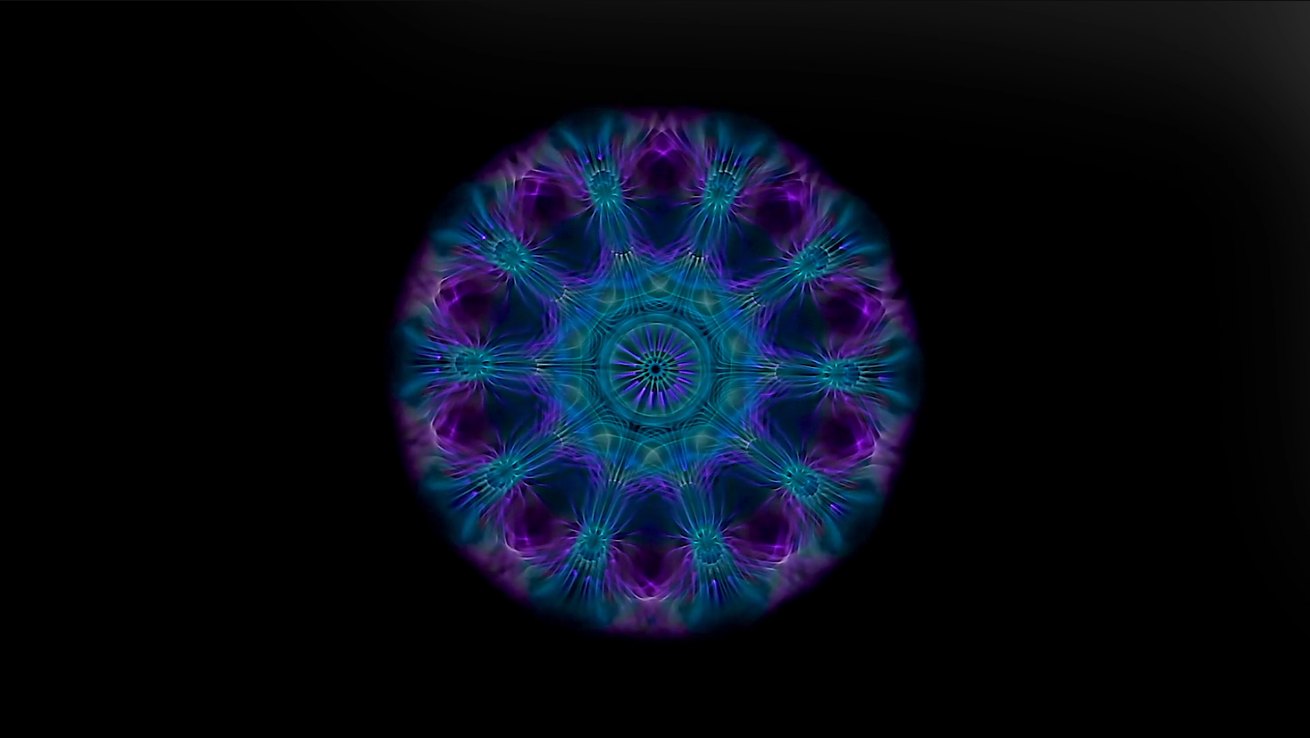
One line of tests explores temporal aliasing: we phase the frequency of the light source against the frequency of the sound, so the strobing illumination samples the vibrating surface slightly out of step with its motion. The result is smooth, linear, phase-style movement — patterns that appear to glide and rotate continuously, even though the medium is oscillating in place.
Alongside the light and sound, we're exploring the vessels themselves — varying their size, depth and geometry, and moving to multi-ring forms that hold several concentric fields at once. Each change shifts which frequencies resonate and how the medium behaves.