Projects
Our own experiments, tools and generative pieces: a growing directory of things we make outside client work, to keep things interesting.
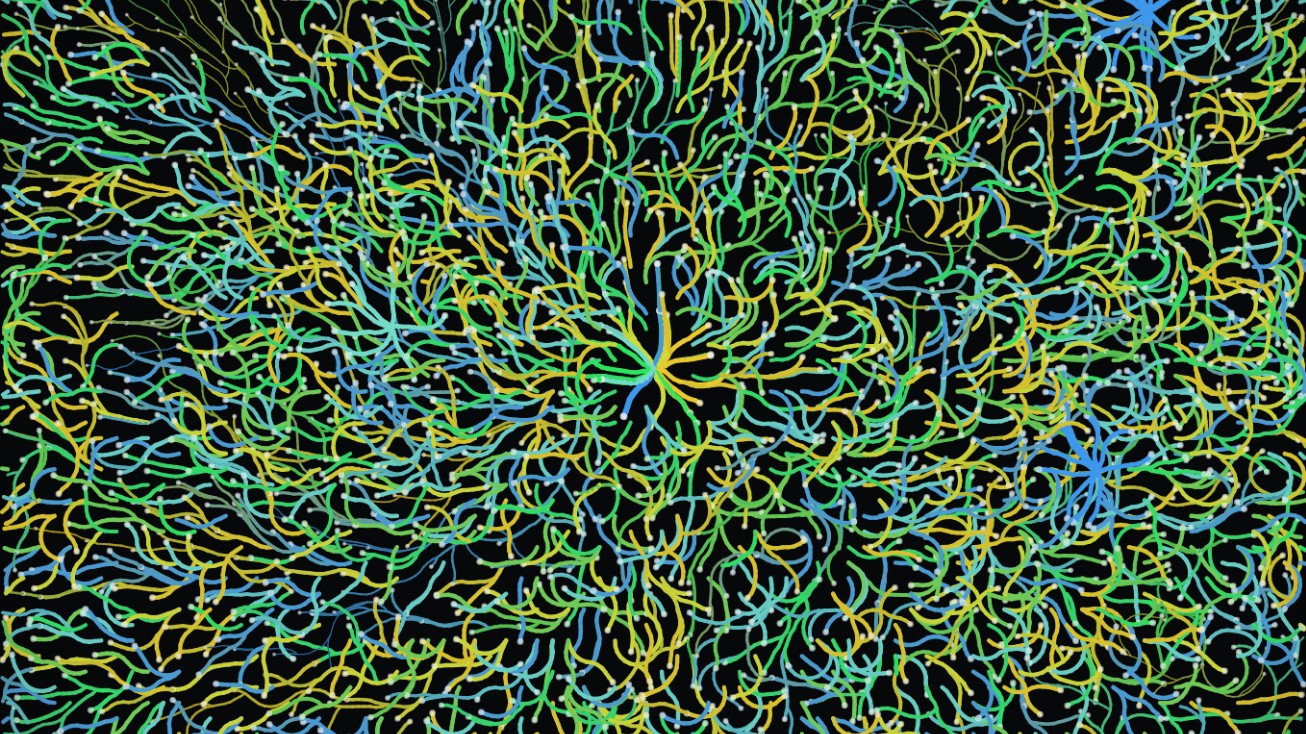
Algorithms V1
A growing collection of generative systems: Physarum slime-mould networks, reaction–diffusion, boids, L-systems, Voronoi, DLA and more, each running live in the browser, building complex structure from a handful of simple rules.
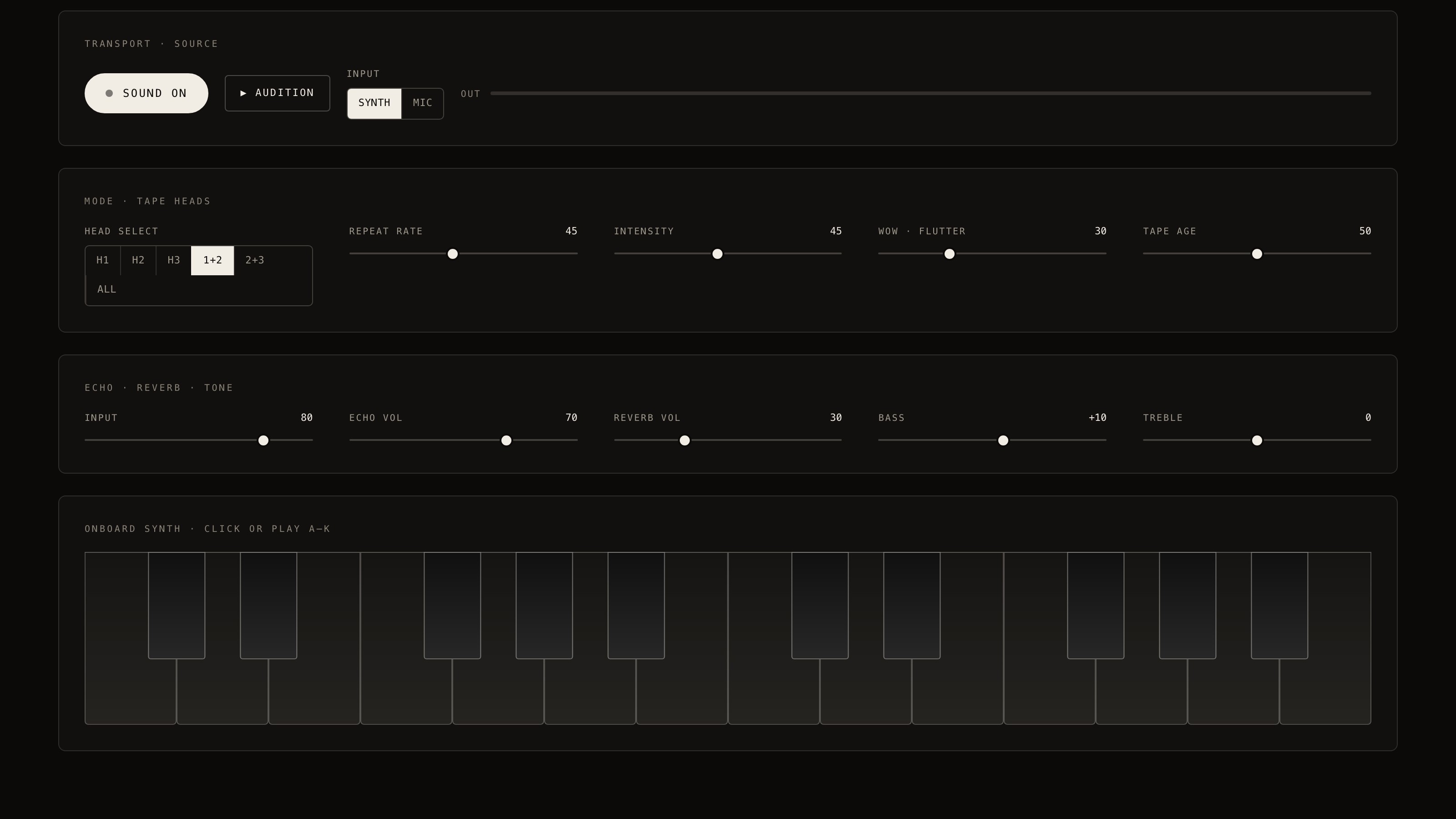
Instruments
A growing rack of instruments synthesised entirely in Web Audio: a Juno-106 polysynth, the RE-201 Space Echo tape delay, a gesture Theremin and more. No plugins, no samples; play them in the page.
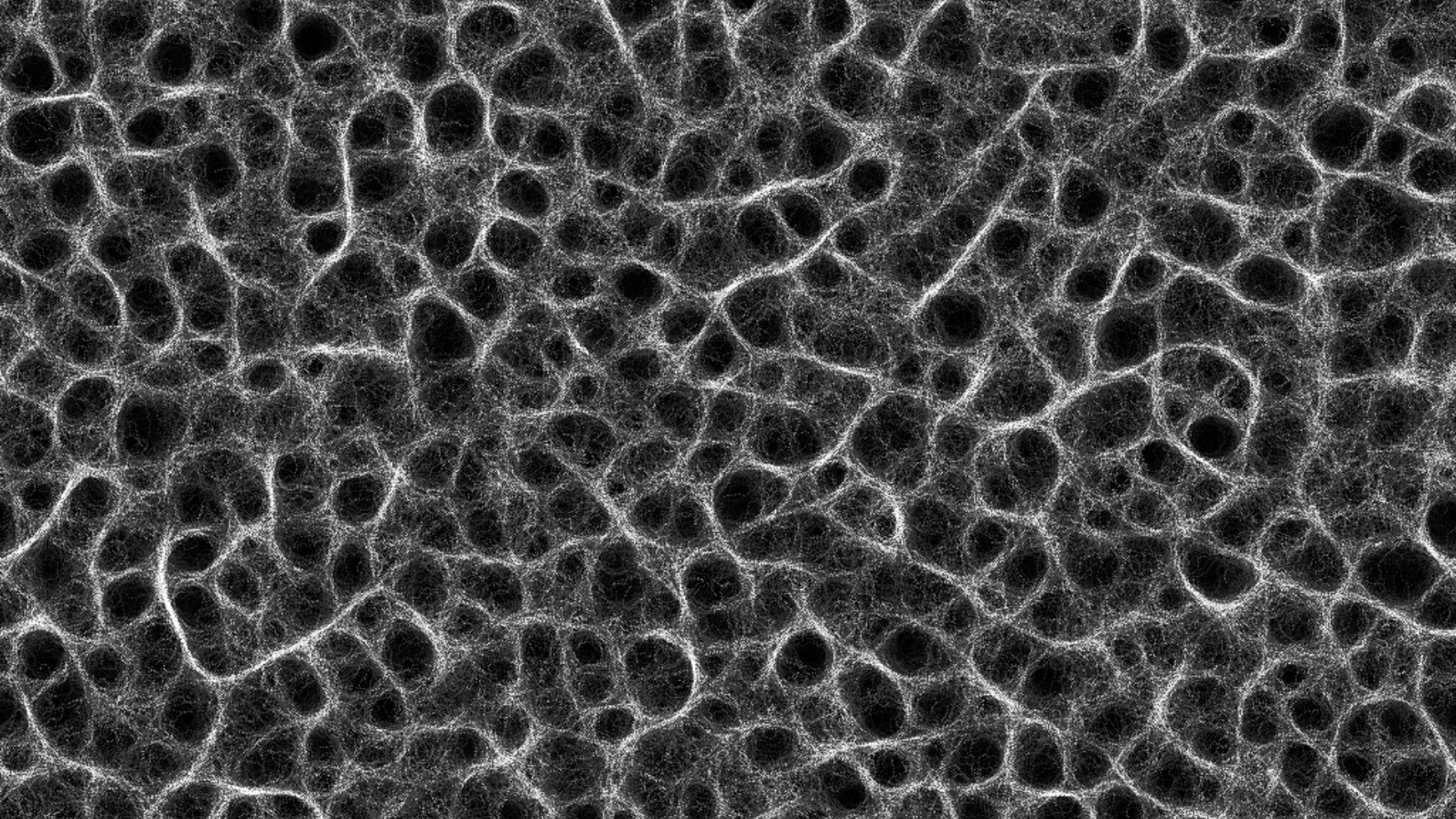
SMA Config
An advanced real-time studio for the Jones (2010) agent-based Physarum slime-mould model — hundreds of thousands of agents on the GPU, with deep live control over sensing, deposition, diffusion and colour.
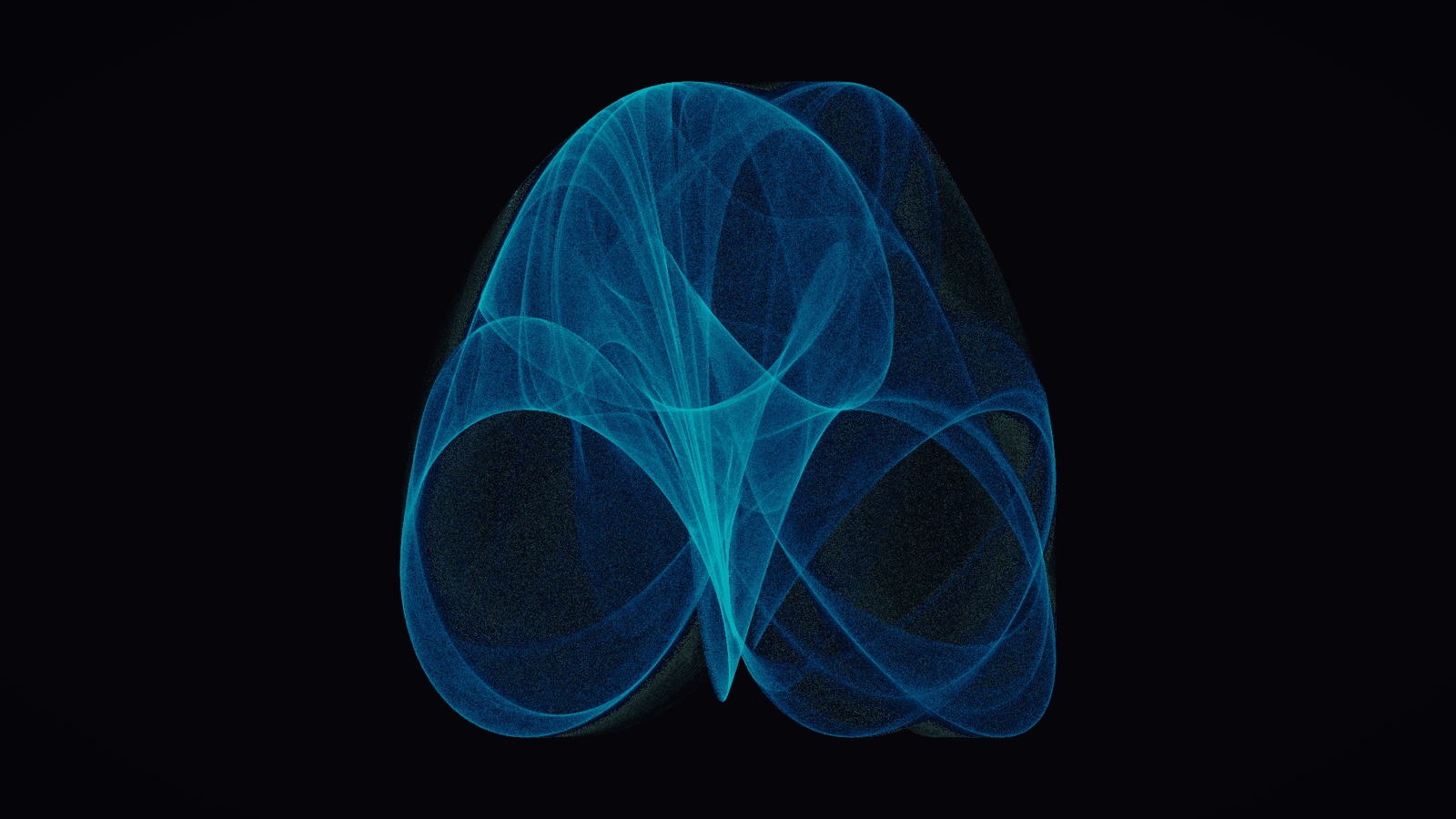
Algorithms V2
A live sandbox for seven nature-inspired generative systems: space colonization, differential growth, phyllotaxis, strange attractors, dielectric breakdown, stable fluids and reaction-diffusion. Each one is seedable, tunable in real time and exportable to hi-res.
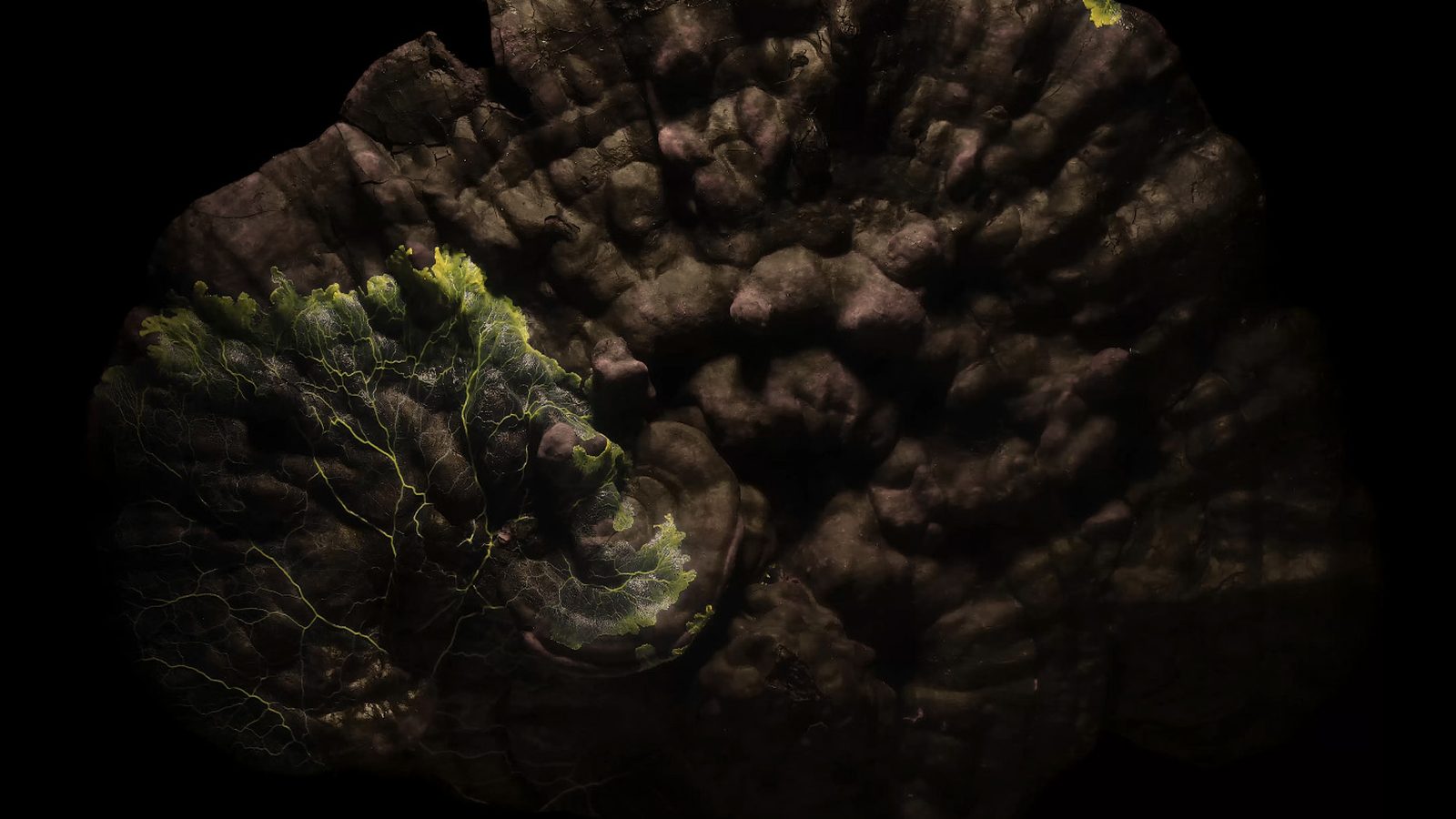
Symcyto
New forms of harvest — a collaboration with the slime mould Physarum polycephalum. Timelapse bio-art and documentary content grown in smart-enabled studio ecosystems, where an ancient organic intelligence becomes the medium.
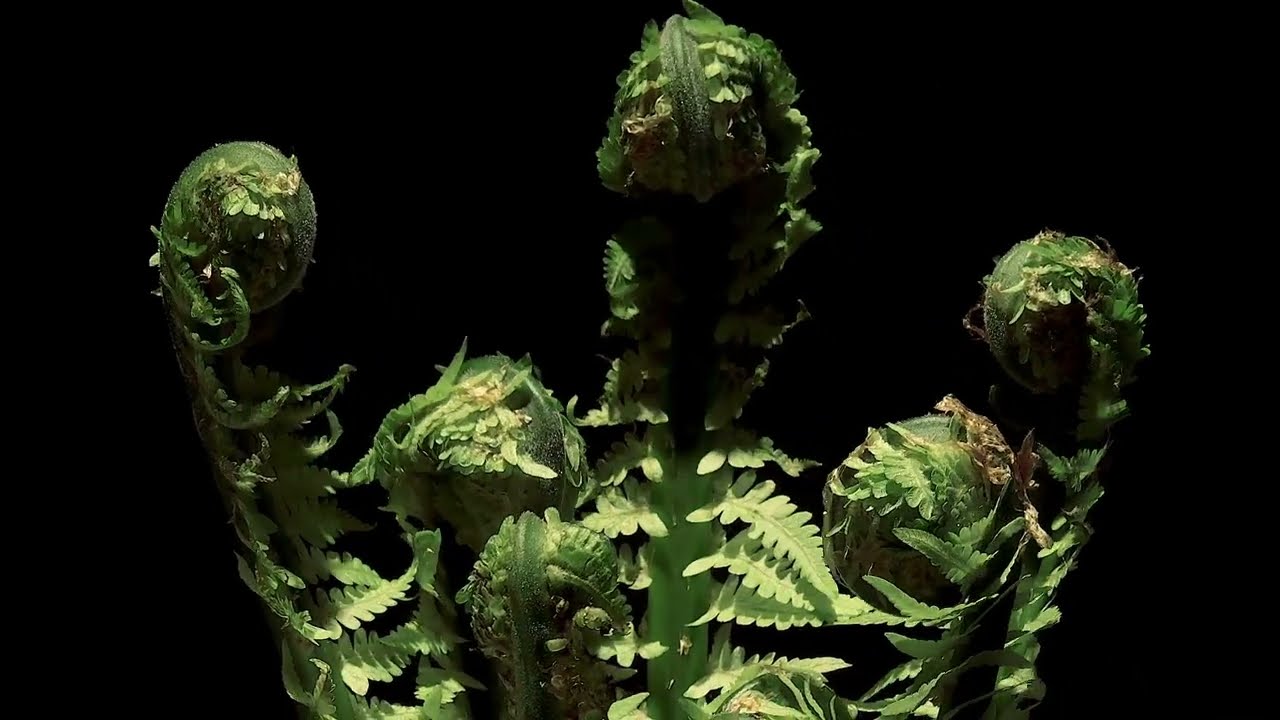
Timelapse Media
Process design, rigging, content creation and consulting for timelapse photography and film — focussed on the kingdoms of plants, fungi and slime mould, with deep experience in architecture, events and industrial work.
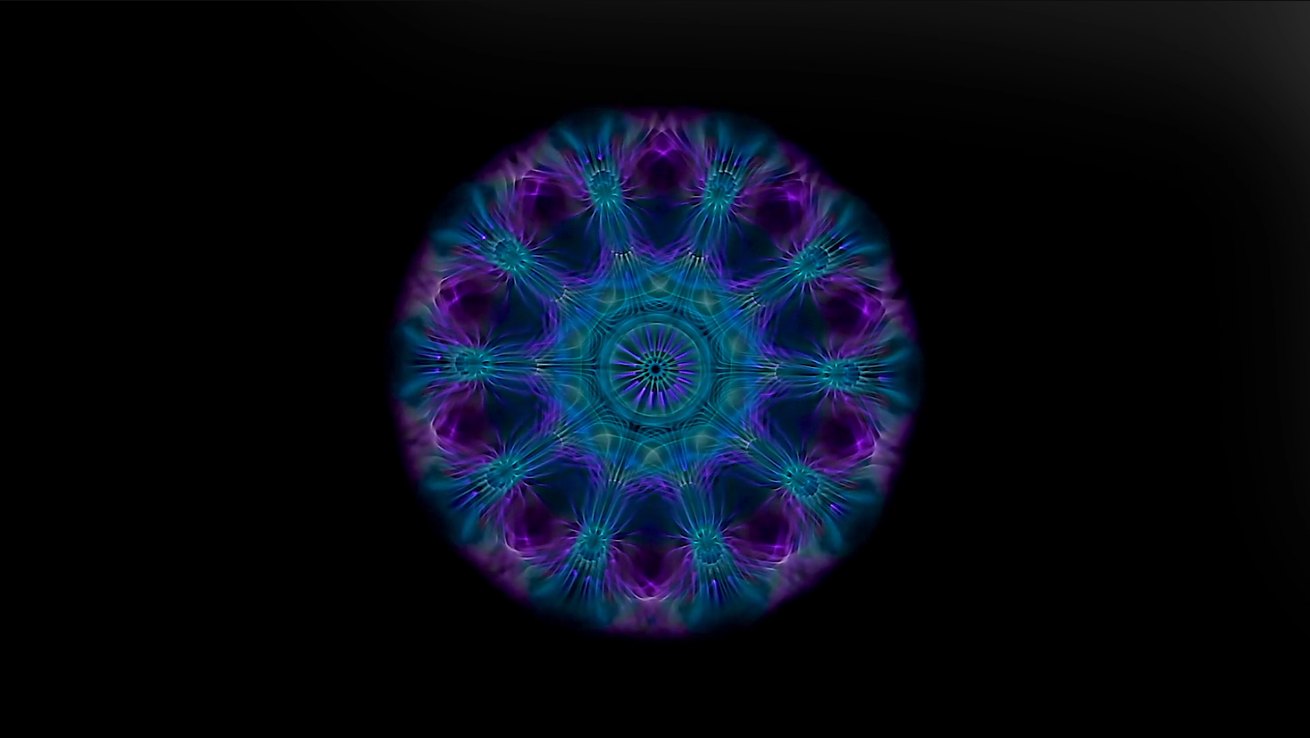
Cymatics Simulator
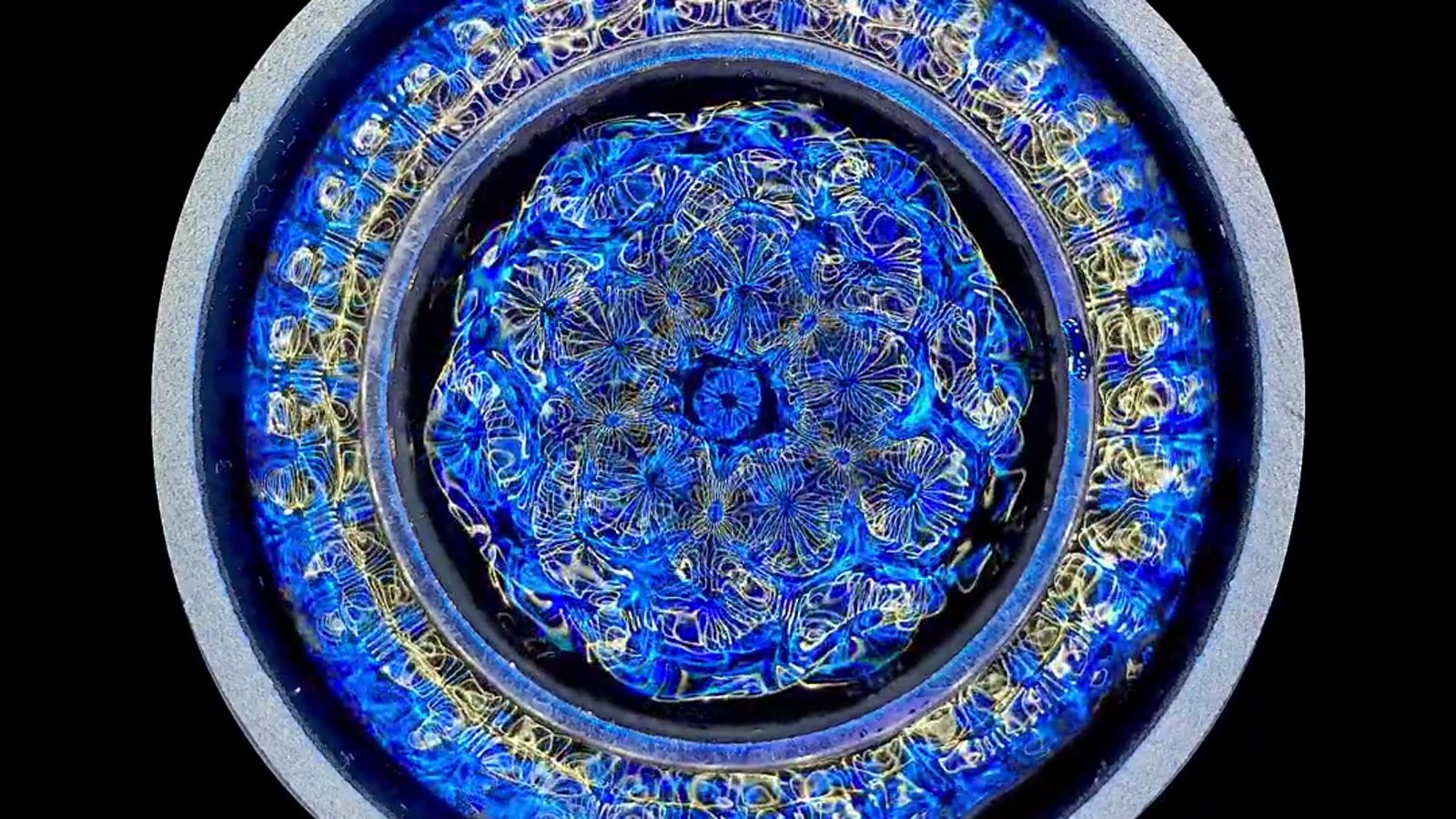
An interactive cymatics simulator and live-display research rig — vibrating water at key frequencies to induce complex geometry. Turn on the sound, scrub the timeline and bounce between frequencies to see how tone and resonance shape matter.
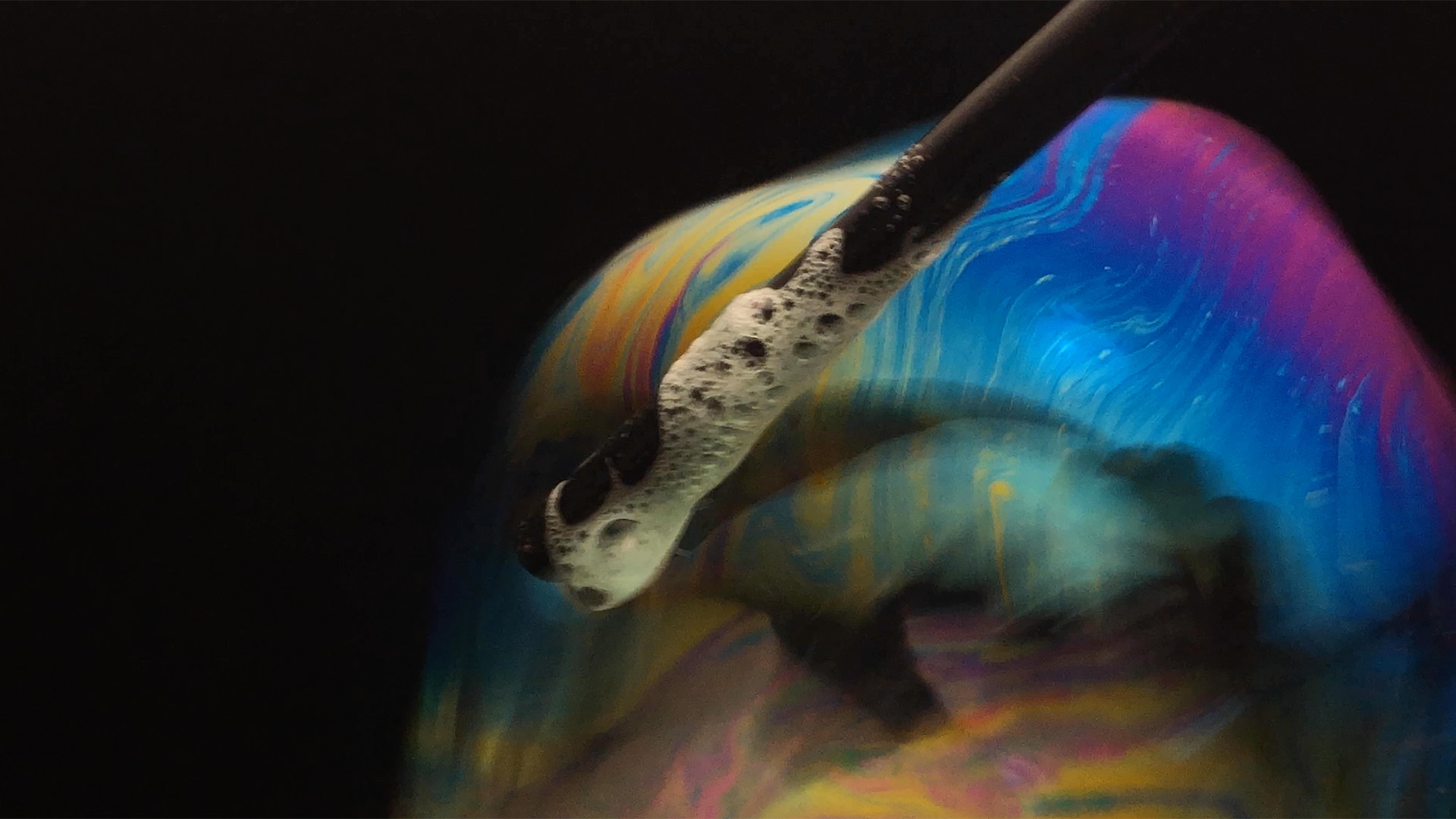
Cymatics in Bubbles
Spherical cymatics in hard-to-pop, high-performance bubbles — sound vibrations visualised as 3D patterns in thin films, swirling with thin-film interference colour. A multisensory study where scientific research meets artistic expression.
Further Cymatics
New cymatics rigs that pair sound with programmable light — RGB LED ring arrays driven by Arduino and DMX, temporal-aliasing tests that phase light against sound for smooth linear motion, and new vessel geometries in size, depth and multi-ring form.
Fungi Source
A far-and-wide search for the literature of fungi — early treatises to modern field guides, public-domain first — gathered, OCR'd, translated and catalogued into one centralised open database. Free and open-sourced, shared via an API to power AI tools and research, and handed off to Source Library.